
REAL-WORLD EXPERIENCE · OLDER MODEL PUT IN PROPER CONTEXT
How does the Deeper Pro Plus perform after a year on the water?
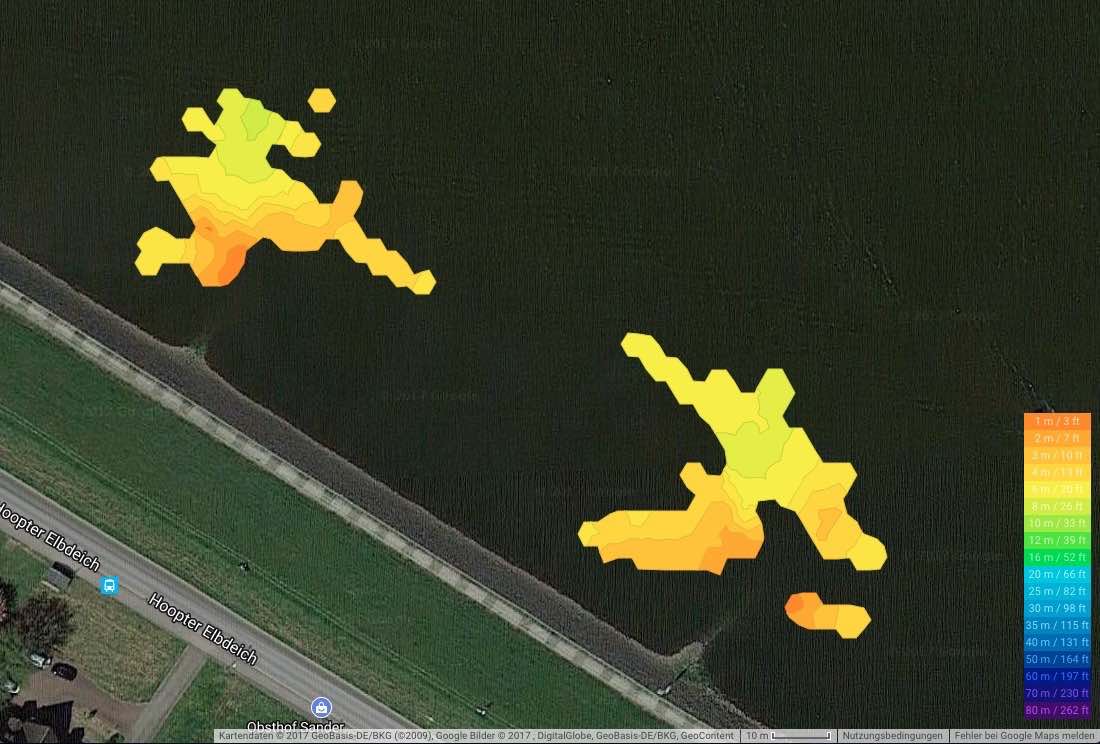
A good long-term test should not pretend that the newest model is automatically better than everything that came before it. For the first time, the Pro Plus showed many shore anglers how much faster they could understand a body of water by saving depth, structure, and position together. That is exactly why this article remains important.
How does the Deeper Pro Plus work on its first outing?
In the original test, everything began with the first cast: its size, weight, and whether a device weighing almost one hundred grams could really be cast accurately. The experience still holds: With a suitable rod, a secure knot, and a controlled cast, it is quite manageable. However, the tackle has to be right. Damaged line, an open snap, or rushed casting are not technology problems but unnecessary risks of losing the unit.
A simple rule applies when retrieving: Do not retrieve as fast as possible, but steadily enough to keep the contour readable. If you see a drop-off or a noticeable transition, do not immediately cast your lure into it. Check the spot from a second angle. Only then will you know whether you saw a real structure or just a snapshot.
What does the handling reveal about its usefulness on the water?
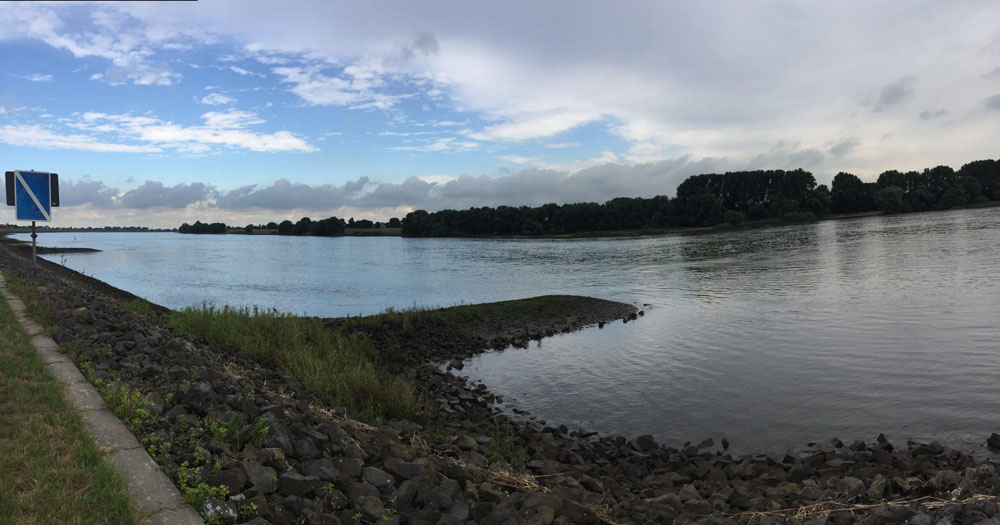
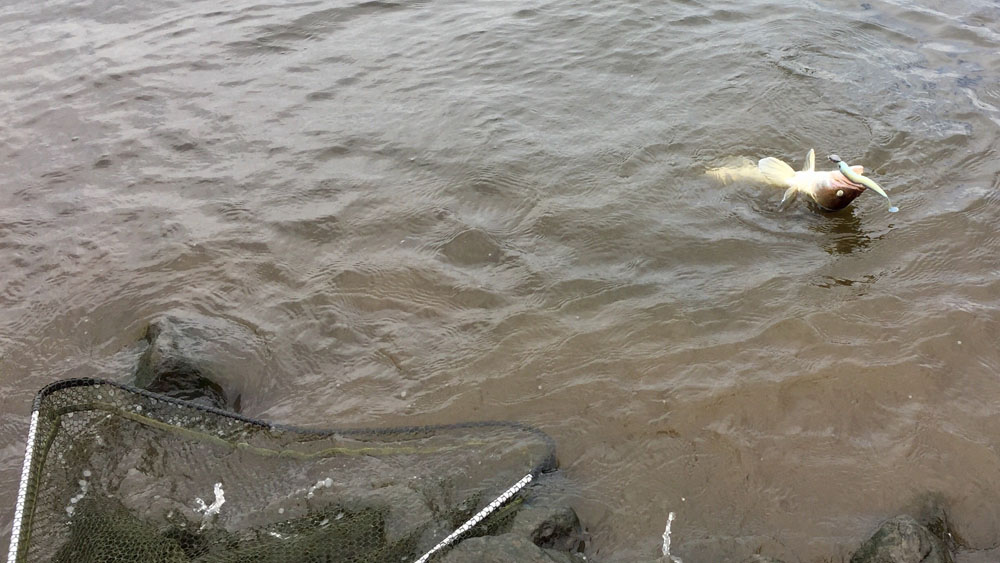
The Deeper Pro Plus was particularly strong when you did not stay in one spot for long: scanning groynes, checking shallow inflows, finding drop-offs at a new lake, or mapping a route by kayak. That is precisely where it differs from a large boat-mounted fish finder. It does not replace the larger screen or continuous display, but it gives you access from shore to data you would otherwise lack.
How reliable are fish arches and bottom lines?
The original test shows fish arches, schools, drop-offs, and bottom differences from real situations. The most important lesson is that you do not learn from a single screenshot, but through comparison. Read the bottom line first. Then check whether vegetation, soft or hard bottom, a depression, or a transition matches the conditions at the water. Only then should you interpret possible fish signals.
If you still find this difficult, the article on interpreting sonar images guides you from a sonar image to a potential hotspot. For choosing the right cone, there is also the sonar cone guide.
Why was the Pro Plus's mapping feature so important?
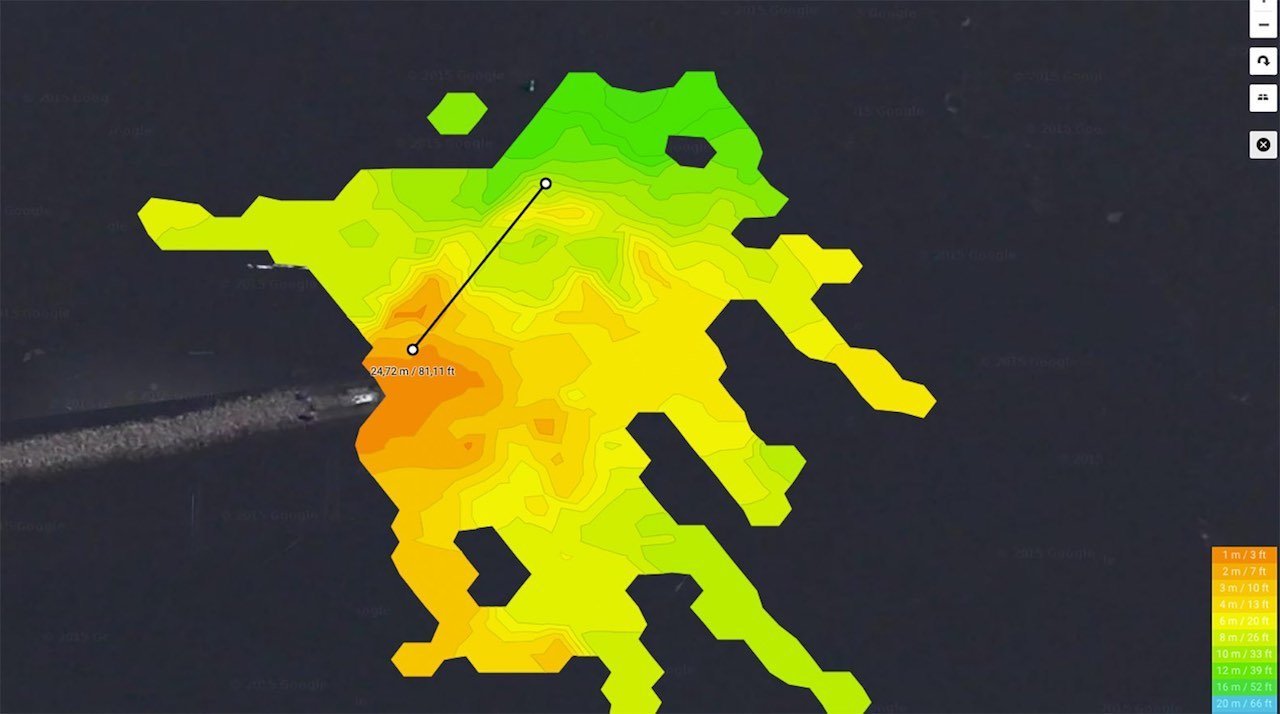
The map does not guarantee a catch. But it helps you turn individual casts into a reliable search map. For each point, also record the depth, weather, water level, season, forage, and your experience at the spot. Only this combination turns a blue line on your smartphone into a fishing plan.
Where is the Deeper Pro Plus especially helpful—and where is it not?
For river zander anglers, the structure in front of a groyne may be more important than a tenth lure color. Plateaus, drop-offs, and areas holding schools help perch anglers. For pike and carp, vegetation, transitions, channels, and recurring routes provide guidance. The Deeper does not identify the target species—but it provides the water information you can use to form a better hypothesis.
What does the old Pro Plus test mean for a buying decision today?
The genuine year-long experience and the images remain the value of this article. The detailed specifications, prices, and direct model comparisons from that time are deliberately not presented as promises that apply today. If you are buying new, first read the Deeper overview and then the current comparison. If you already own a Pro Plus, however, this test still provides practical basics for casting, mapping, and exploring the water.
This long-term test preserves the original real-world experiences, image examples, and use cases. What is new is the transparent historical context: An older test remains valuable, but it should not serve as a current product recommendation without further review.