
DEVICE REVIEW · CASTABLE FISH FINDER
What Can the Deeper CHIRP+ 2 Really Do on the Water?
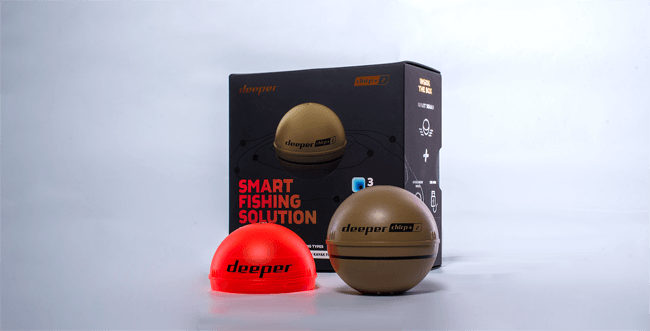
The original article was written when the CHIRP+ 2 launched and asked the right question: What does the new device actually offer anglers? We retain the detailed technical assessment but clearly separate it from a current purchase recommendation. Check current product lines, prices, app versions, and package contents directly with the manufacturer.
Why Do Three Sonar Cones Help on the Deeper CHIRP+ 2?
The CHIRP+ 2's three cones were a central point of the original article. Not everyone needs every cone during every session. If you first want to see where the water drops from two to five meters along an unfamiliar shoreline, scan wide. If you want to inspect a small drop-off, a plateau, or a break along the weedline, use a more precise setting. This ability to switch turns a castable fish finder into a tool for systematic scanning.
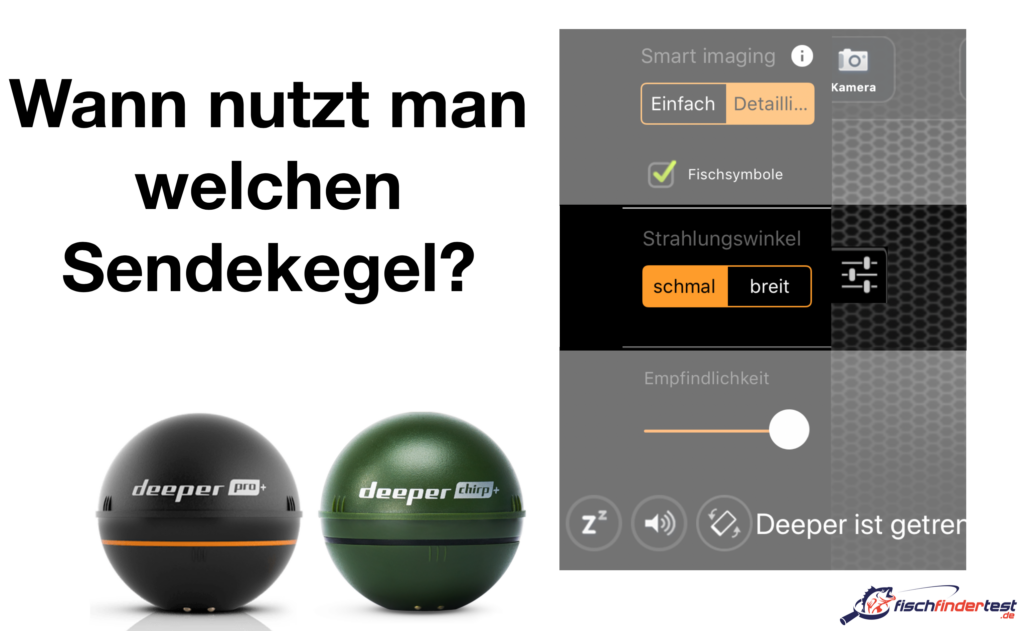
The principle is the same for all models: The wider the cone, the more area you see, but the more information is combined. The narrower the cone, the more precisely you can inspect an area, but the less area you cover. Our sonar cone article explains how to use them in practice.
How Important Are Range, Depth, and Battery Life on the CHIRP+ 2?
The old article explained range, the Wi-Fi module, battery, and processor in detail. In practice, three things matter more: Can you safely cast the transducer to the desired area with your rod and line? Does the connection remain stable? And does the battery last long enough so you do not have to stop in the middle of mapping? Check the charge level, seal, knot, and connection before the first cast. That prevents more frustration than chasing the highest specification.
Who Benefits Most from Mapping and GPS on the Deeper?
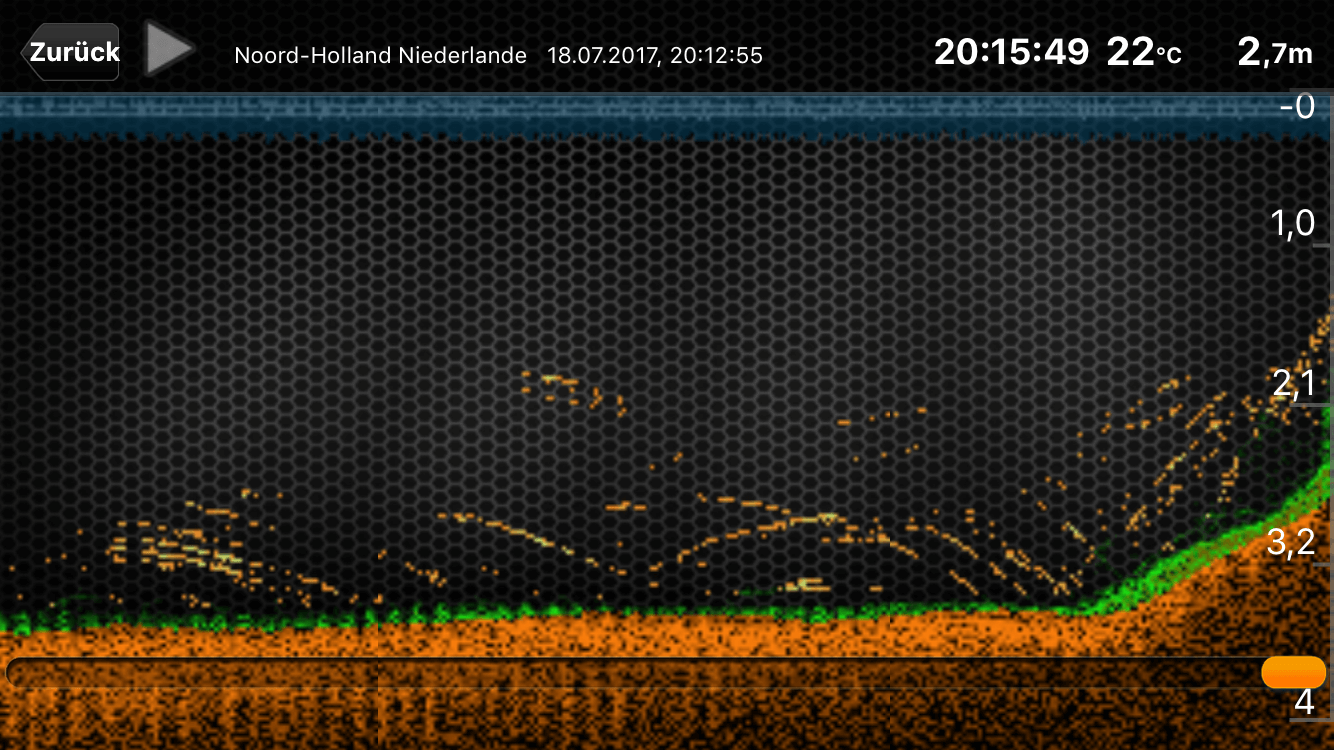
This is useful for carp anglers who monitor feeding routes, plateaus, or depth changes over time. Perch and zander anglers can mark drop-offs, areas holding schools of baitfish, or river structure while searching on the move. A clear, reproducible map is also a major advantage from a kayak or belly boat. Our Lakebook guide explains how to turn collected points into a plan.
Where Does the CHIRP+ 2 Perform Best?
At a new lake, that means not blindly casting one lure after another, but searching for structure first. At a river groyne, it means checking the channel, outer edge, and slack-water area. From a kayak, it means following useful tracks and reviewing them later. A castable fish finder cannot tell you that a large zander is definitely waiting in a particular spot. But it can help you understand the most likely areas first.
When Is a Deeper CHIRP+ 2 Worth the Price?
An honest purchasing decision therefore begins not with “Is the device good?” but with “What uncertainty about my water will it resolve?” If you frequently want to understand new shorelines, lakes, or stretches of river, it can be a very powerful tool. If you already know the same spot well and never open the map again afterward, much of its potential remains unused.
This article retains the detailed topics from the existing CHIRP+2 article: three sonar cones, battery, Wi-Fi, mapping, and uses for carp fishing, shore fishing, kayaking, and belly boating. Technical specifications and product availability may change; consult the manufacturer's current information before purchasing.