POWER SUPPLY FOR FISH FINDERS & CHARTPLOTTERS
Which fish finder battery will keep your unit running reliably?
A clear fish finder image is useless if the power runs out after just a few hours. Many anglers choose a battery based only on its Ah rating or price. This leads to unnecessarily heavy gear, short real-world runtime, or, in the worst case, an unsuitable charger. This article distills the existing comprehensive battery test and its real-world runtime findings into a clear decision guide.
Which selection criteria are important for a fish finder battery?
A small 7-inch fish finder has very different requirements than two large displays, live sonar, and an active network. Check the manufacturer's specifications for current draw in amps or power consumption in watts, and include any accessories actually connected to the same battery. Allow a reserve for cold weather, display brightness, long days of searching, and aging batteries.
Battery type is important: Starting batteries are designed for short bursts of high current. A fish finder, by contrast, draws power steadily for hours. Deep-cycle batteries are the better choice for this. They are much better suited to repeated charging and discharging.
How long will a fish finder run on a battery?
This formula is intentionally only a starting point. With lead-acid batteries, the capacity available under load decreases more than the rated figure suggests; the Peukert effect describes precisely this relationship. LiFePO4 can steadily deliver a larger share of its rated capacity. For a full day of fishing, you therefore need more than simply “more Ah”—you need a realistic calculation for your battery type.
On your first trip, record the start time, display brightness, and remaining voltage. After two or three outings, you will understand your actual reserve better than any table-based calculation can show.
When does an AGM or lead-acid battery still make sense?
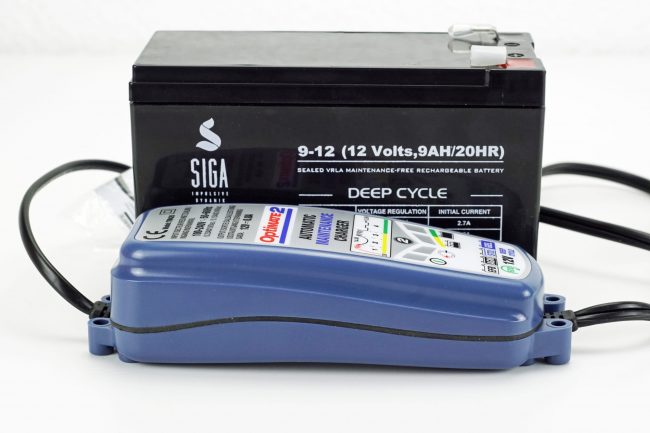
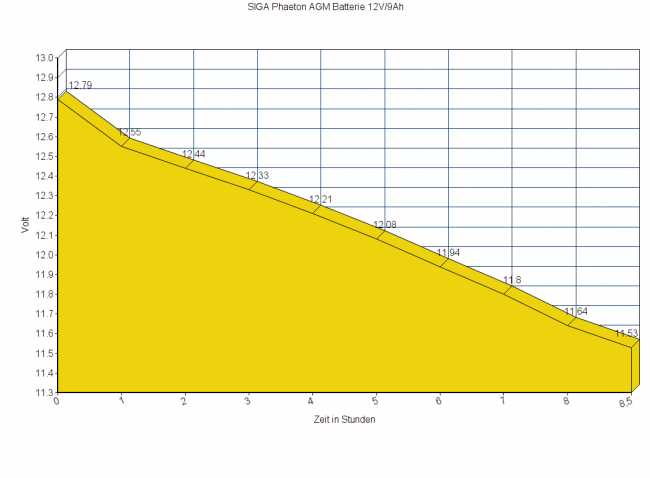
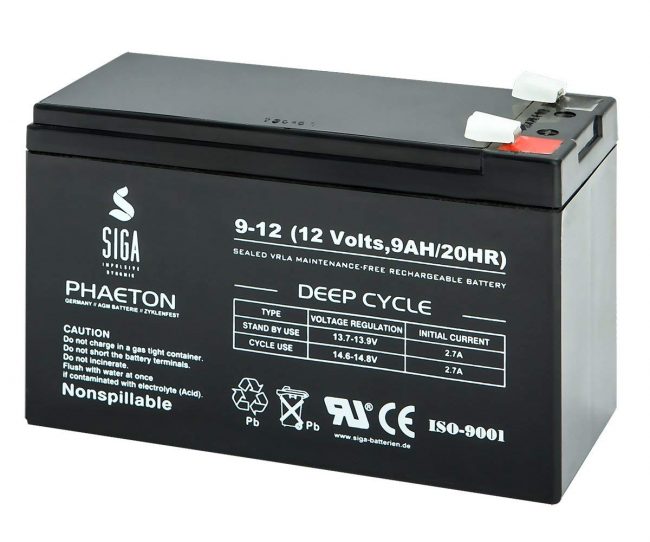
An AGM battery may suit a stationary installation or a limited budget. In the original runtime test, it provided a solid, economical baseline. However, anyone who regularly carries the battery to a belly boat, kayak, or over longer distances will notice the difference in weight immediately.
Lead-acid batteries should not be stored deeply discharged for extended periods. Recharge them after use, use a suitable charger, and ensure secure, tight connections. A heavy battery that is properly maintained is better than a light one damaged by the wrong charger.
Why is LiFePO4 the best choice for many fish finder setups?
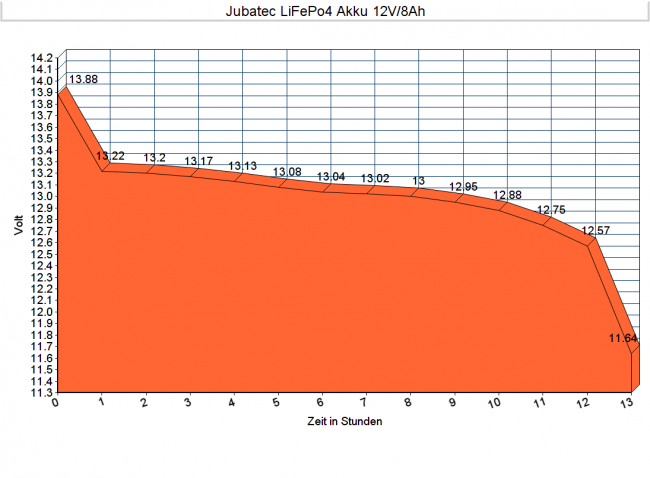
In the existing field test, LiFePO4 demonstrated exactly the advantage many anglers want on the water: long runtime at significantly lower weight. A BMS protects the battery from common fault conditions, but it does not replace a fuse, a suitable charger, or correct wiring.
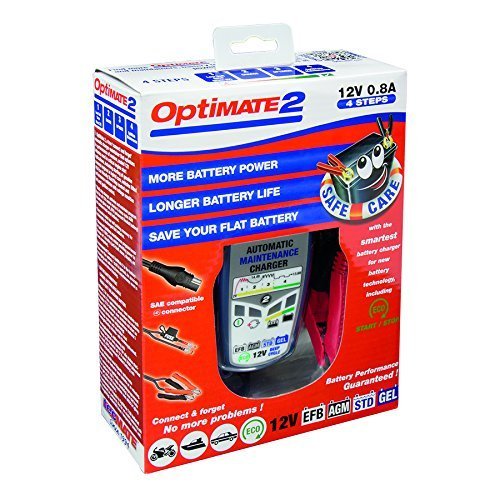
LiFePO4 batteries require a charging profile specifically designed for them. Manufacturer limits also apply in cold conditions: Some batteries must not be charged below a certain temperature. Check the specific data sheet, especially if your battery is used in a car, boathouse, or on cold winter days.
When does a lithium-ion battery make sense?
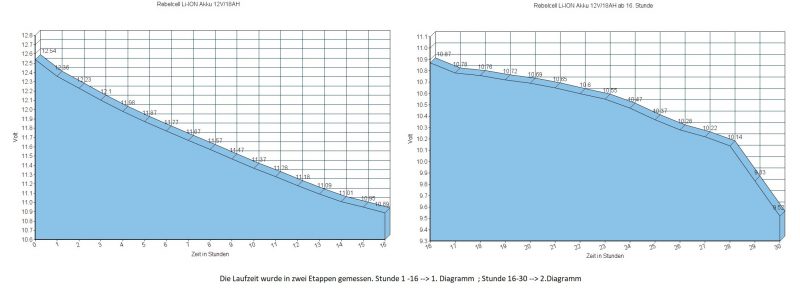
In the previous comparison, Li-ion was the energy powerhouse: lots of energy at low weight. That can be attractive for specialized portable systems. For a straightforward standard setup, however, LiFePO4 is usually the easier choice because its chemistry is more thermally stable and better suited for use as a rugged onboard battery.
How do you properly charge and protect a fish finder battery?
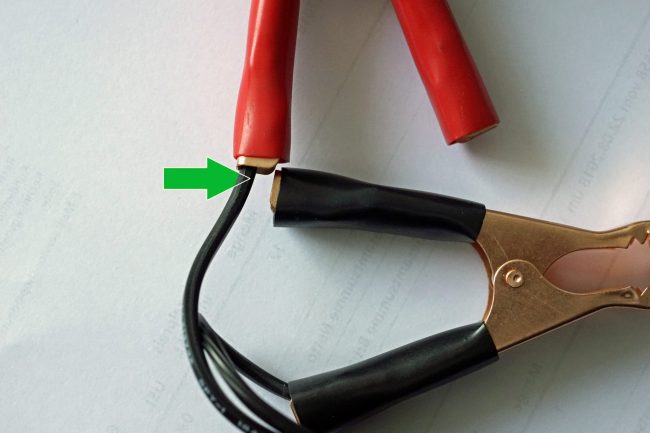
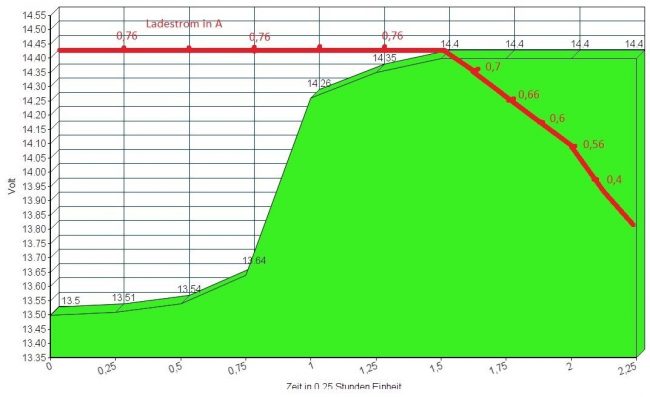
Do not improvise here. An incorrect charging profile shortens battery life or can cause dangerous damage. Select a fuse appropriate for the wire and current draw, use adequately sized cables, and secure the battery so it cannot shift in waves or during transport. If you are unsure, have a qualified person inspect the electrical installation.
Which fish finder battery is right for your application?
- Bank, kayak, belly boat: Weight, a secure carrying bag, compact size, and actual all-day runtime are the top priorities.
- Small boat: LiFePO4 is often the most convenient choice if its capacity meets the needs of the fish finder, lighting, and accessories.
- Large system: Calculate the combined draw of all loads; keep the starting, house, and trolling motor circuits properly separated if the boat's electrical design requires it.
The best battery is not the largest one. It lasts through your actual day of fishing with capacity to spare, can be charged safely, and does not make getting to the water unnecessarily difficult. That saves time and hassle—so you can focus again on the water, the fish, and the next promising fishing spot.
Compare the appropriate unit power in the fish finder test. A separate step-by-step DIY guide remains available under build your own fish finder battery.
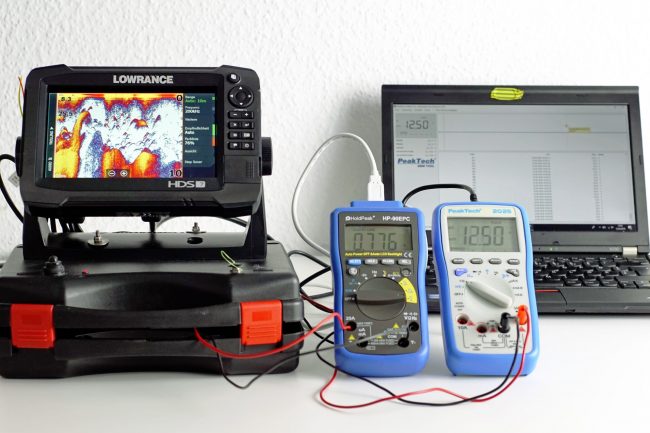
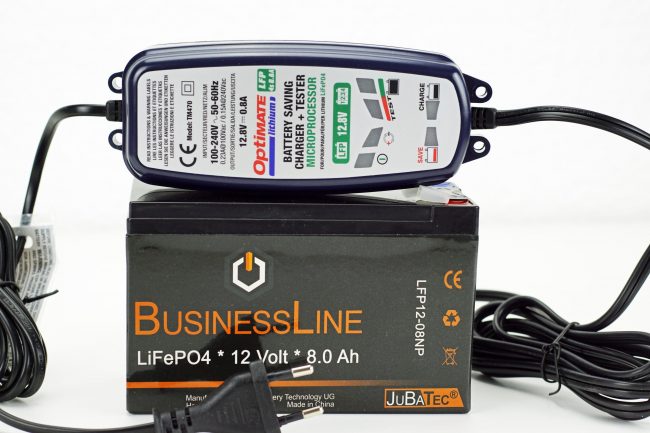
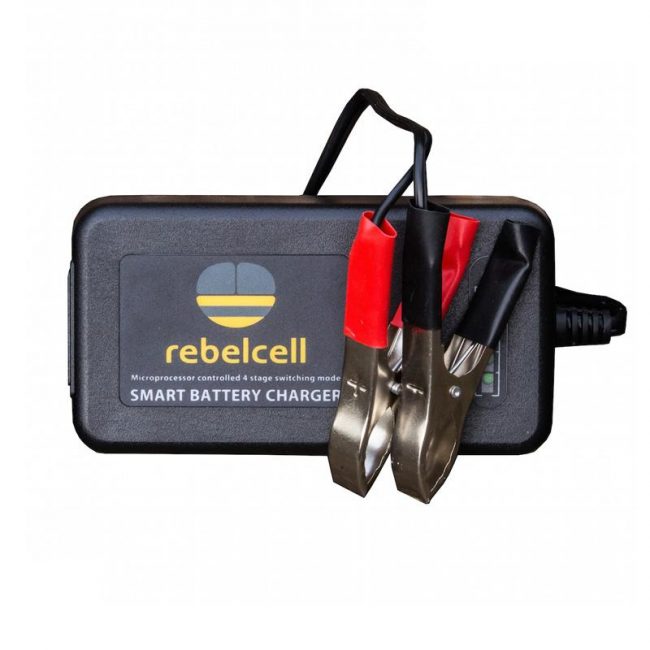
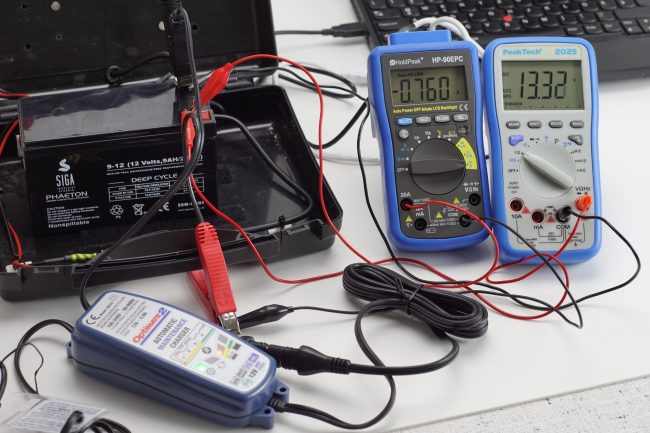
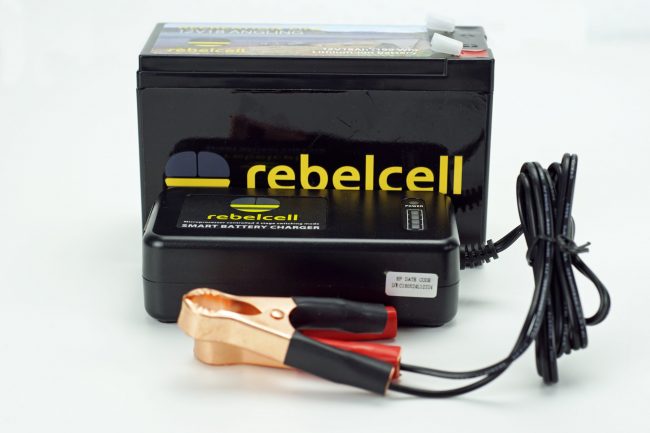
Original images from the battery runtime test
The test setup, batteries, measurements, and chargers used in each case remain fully preserved with the existing test.